Case study 03

Client
Hatch Invest (New Zealand), 2023
Role
Senior Product Designer
Project design lead for the discovery and design work of a 2-factor authentication login feature.
Context
The investing platform Hatch wanted more customers to use 2-factor authentication. The existing feature was rudimentary and had obvious UX issues.
Approach
We kicked off the discovery work. We first wanted to learn more about our customers’ behaviours and attitudes towards secure login methods. A survey revealed that our customer base was split into two camps: those who want top security and those who want convenience.
Gathering insights from workshops with internal stakeholders, we found more conflicting viewpoints. Making the secure login a mandatory feature would clearly increase the security of the product and satisfy the legal team. However, it would also create more incidents of people getting locked out and increase the workload for the customer service team.
The main challenge of this project was to come up with a solution that balanced the various needs presented by the customers, business, security experts, and regulations. When seeking agreement on key decisions, we would often discover more questions. We documented our findings along the way and used technical research and design explorations to evaluate different solutions. In this manner, we could walk through a robust decision-making process and finalise our proposal to the business.
CASE STUDY 03
Improving a workflow across multiple teams
Client
Hatch Invest (New Zealand), 2021
Role
Senior Product Designer
In 2022 the investment platform Hatch got new ownership and had to integrate with the mother company’s back-office process. This change risked that operations couldn’t finish their daily job that was finely tuned with the banking day schedules. It would mean delays and impact the business and customer experience.
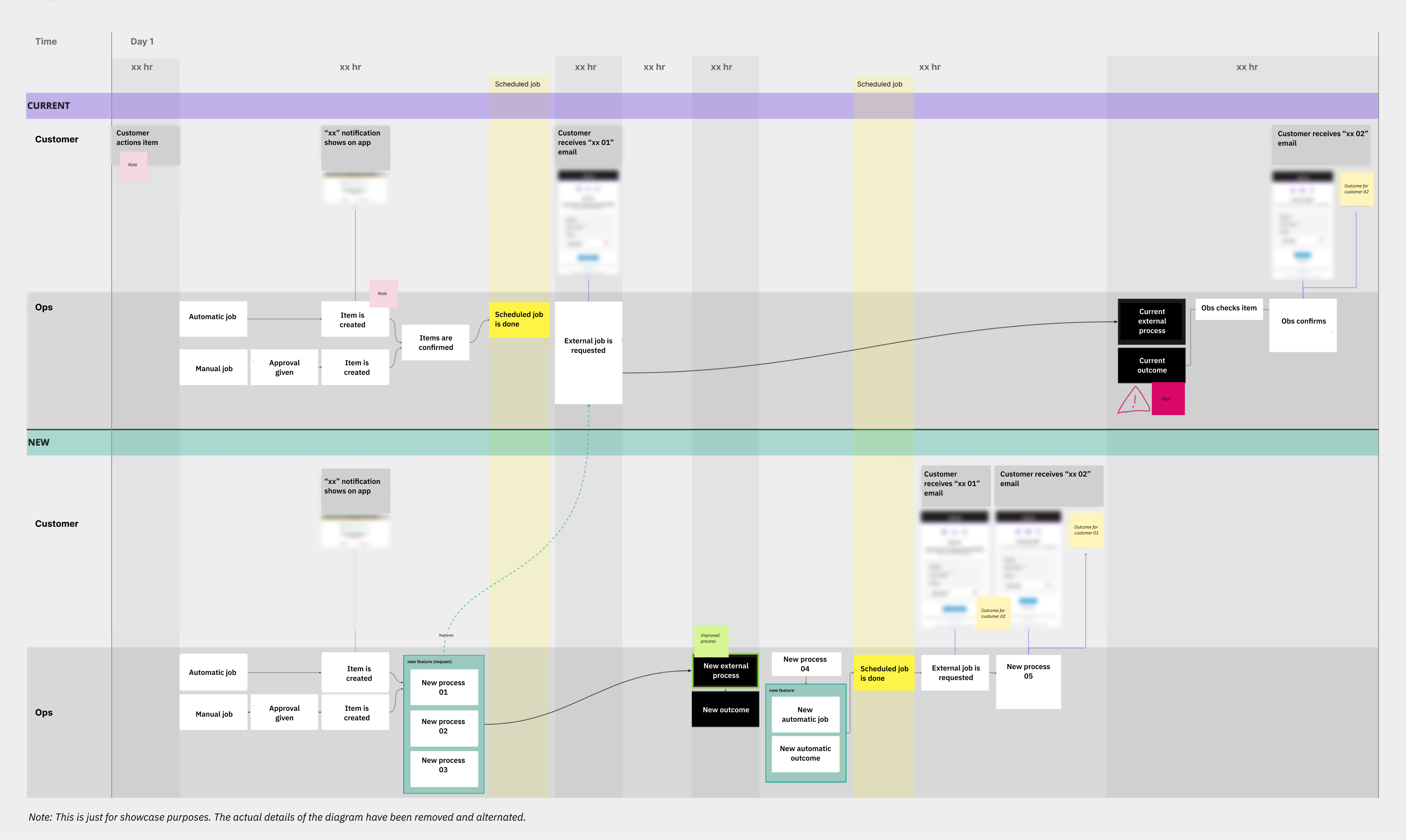
After talking to the internal operations team, the BA and the developer it became clear that we needed to front-load internal processes. With a rough plan in mind, we created a process map showing the current and proposed flow side by side. It mapped the different parties and processes and helped to communicate the solution to the decision-makers.
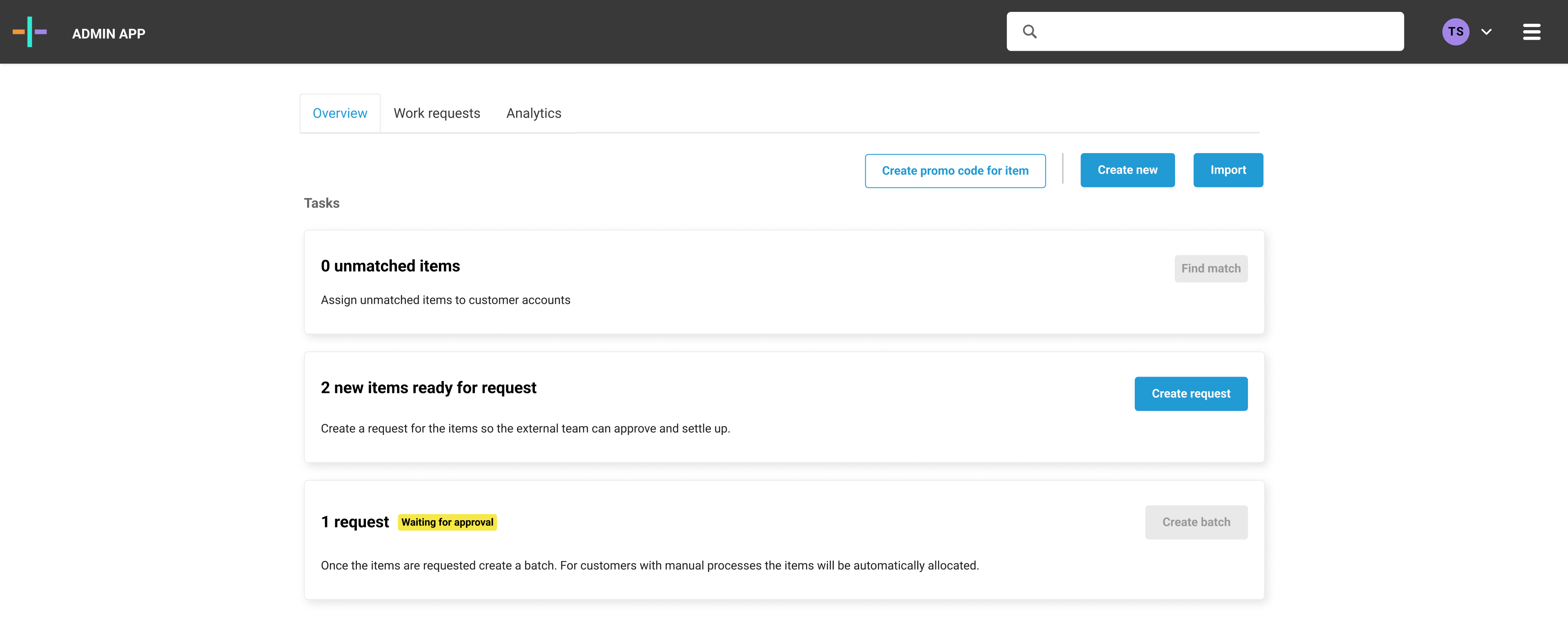
Once the proposal was approved, I designed the changes for the admin UI. I added a simple task manager to the overview page. Here the team could check off all tasks in chronological order and view their progress. I made a point of listing all the tasks in the UI, including the ones that were done outside the admin app. For example, noting the request email is sent. It provided one source of truth that helped the single user but also the team to have oversight of what was done – which was important for such time-sensitive work.
 Tina Serowski